
Congratulations to SPLICE team members Jon Alter (Dartmouth ’21) and Dartmouth co-PI Tim Pierson for their patent on new methods to pair wireless devices! Current Internet of Things (IoT) device authentication protocols are functional, but not scalable, which is increasingly pertinent as more and more households have multiple ‘smart’ devices. For example, a manufacturer of Internet-connected thermostats will not know the name or Wi-Fi password of an end-user’s wireless network and cannot program the device to immediately pair with the user’s access point (AP). As a result, end-users may have to set up the thermostat on their own… along with dozens (or potentially hundreds) of other new devices. Traditional pairing protocols also rely on a one-way authentication scheme, which does not prevent the user from pairing a new device with a spoofed AP.
This recently patented pairing process involves two devices sending signals between each other and leverages the movement of objects near both of these devices, which similarly impacts both devices’ signal strength. The devices can confirm trust in each other if the signal-strength-pattern they receive substantially match the signal-strength-pattern the other device receives.
Interested in learning more? Check out the patent here or below!
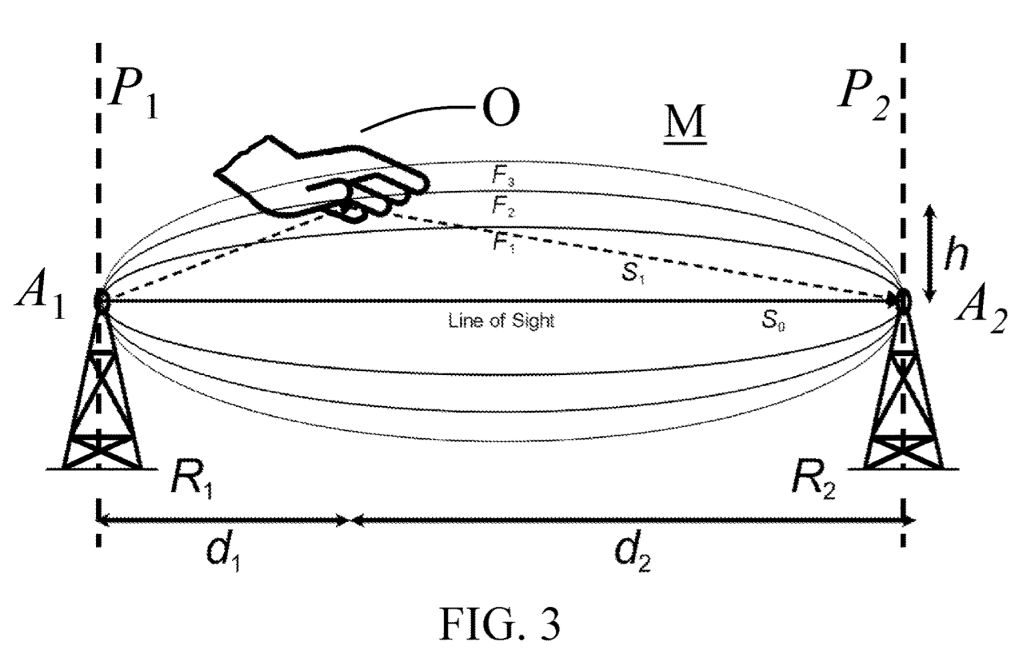
Pierson, Timothy J., and Jonathan F. Alter. Methods and software for pairing wireless devices using dynamic multipath signal matching, and wireless devices implementing the same. US11856408B2, issued December 26, 2023. https://patents.google.com/patent/US11856408B2/en.








 SPLICE
Leave a comment